


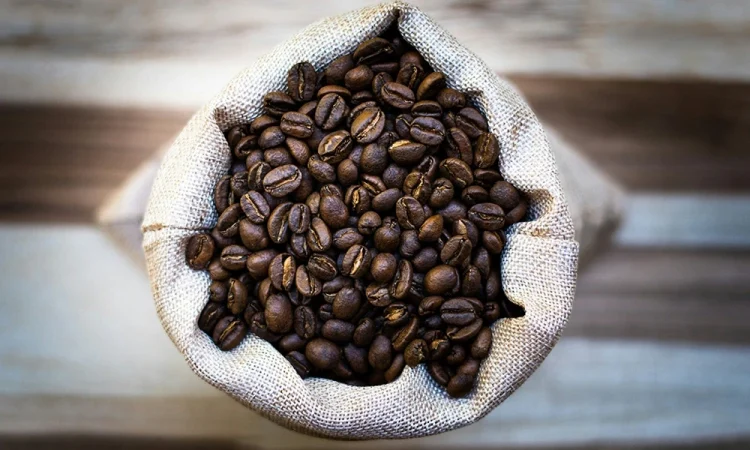

Arabica coffee beans are the foundation of the world’s premium coffee market, and the reasons have more to do with what is in the bean than with marketing. Coffea arabica, the species that produces arabica beans, contains roughly half the caffeine of its commercial counterpart Coffea canephora (robusta) and significantly more of the sugars, lipids, and organic acids that produce coffee’s flavour complexity. These chemical differences translate directly into the cup: arabica produces coffee with more complexity, more nuance, more sweetness, and less of the harsh bitterness associated with lower-grade robusta.
What Makes Arabica Different
The arabica plant grows best at altitude, typically between 600 and 2,000 metres above sea level. At these altitudes, cooler temperatures slow the maturation of the coffee cherry, allowing the bean more time to develop the sugars and acids that characterise high-quality arabica. This is why the world’s most celebrated coffee origins – Ethiopian highlands, Colombian mountain ranges, Kenyan highlands, Guatemalan volcanic slopes – are all at significant altitude.
The flavour profile of arabica coffee is described in terms of its acidity, sweetness, body, and specific flavour notes. A well-sourced and properly roasted Ethiopian arabica might express jasmine floral notes, bergamot citrus, and stone fruit sweetness. A Colombian arabica from a specific farm might produce caramel sweetness, red apple acidity, and a silky body. These specific characteristics are what specialty coffee culture has built itself around exploring and appreciating.
- More lipids, which contribute to a heavier, creamier body
- More sugars, which produce sweetness and reduce the perception of bitterness
- More diverse organic acids, which produce the bright, varied acidity characteristic of quality arabica
- Less caffeine, which reduces bitterness at the chemical level
Grade and Sourcing
Not all arabica coffee is the same. The term describes a species, not a quality standard. Low-grade arabica grown at inappropriate altitude, harvested carelessly, and processed under poor conditions can produce inferior coffee. High-grade arabica from a specific microclimate, harvested at peak ripeness, and processed with care produces coffee at the opposite end of the quality spectrum.
Arabica coffee beans for premium coffee quality are distinguished by sourcing specificity: the country, region, farm, processing station, and lot from which the beans come tells you something meaningful about their potential quality. Commodity arabica, specified only as “100% arabica” without origin information, is trading on the species name rather than demonstrating actual quality.
For Singapore offices and home brewers who want to experience what arabica can actually produce, sourcing from roasters who specify origin and provide roast dates is the starting point.
Roast Level and Arabica Expression
The roast level applied to arabica beans significantly affects what you taste in the cup. The relationship is important to understand because many consumers’ experience of arabica comes from commercially roasted coffee that has been roasted to a degree that masks origin character.
- Light roast: Preserves the most origin character. Bright acidity, complex flavour notes, lighter body. Requires good brewing technique to avoid sourness.
- Medium roast: Balances origin character with roast development. Sweetness and body increase, extreme acidity softens. The most versatile roast level for different brewing methods.
- Dark roast: Roast character dominates over origin character. Bitterness increases, acidity decreases, flavour notes from origin are largely replaced by roasted, smoky, or chocolatey notes from the roast itself.
As Singapore coffee educator and trainer Marcus Teo has noted in workshops for aspiring baristas, “Roasting is the process that realises or destroys the potential of a green bean. Arabica coffee beans need a roaster who understands what is in the bean and has the skill to coax it out, not simply apply heat until the colour looks right.”
Arabica for Different Brewing Methods
Premium arabica beans perform across all coffee brewing methods but express differently depending on the extraction approach.
- Espresso: Medium roast arabica blends or single origins chosen for their sweetness and body balance. Ethiopian and Colombian origins are popular choices.
- Pour-over and filter: Light to medium roast arabica from origins with interesting acidity and flavour complexity. The slower extraction reveals nuances that espresso’s intensity can obscure.
- Cold brew: Medium roast arabica with natural sweetness and body. Cold water extraction softens acidity, making the coffee’s sweetness and body more prominent.
The Premium Difference
Arabica coffee beans for smooth taste and premium quality in Singapore are widely accessible from local roasteries and quality suppliers. The investment in properly sourced, freshly roasted arabica over commodity-grade alternatives is reflected in every cup – in the smoothness, the complexity, and the genuine pleasure of coffee that tastes like something worth paying attention to.