


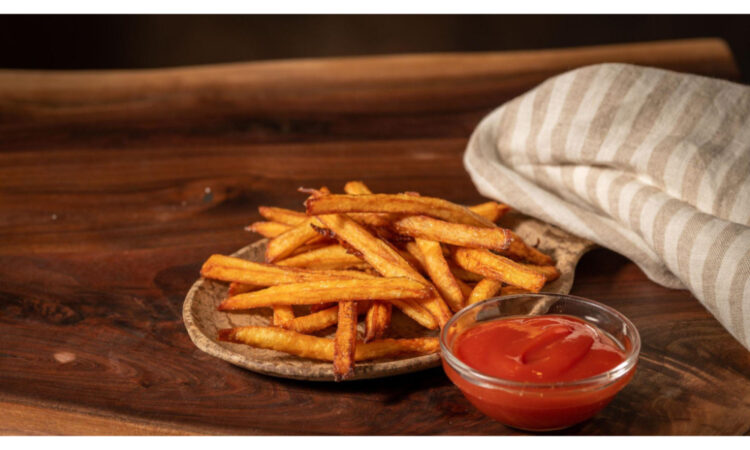

Back in 2021, I was surprised to discover how many extra ingredients are added to our food. These are often used to make food last longer, improve flavor, and lower costs. On top of that, the vegetable oils we were told were good for us turned out not to be as healthy as we thought. I realized it was pretty easy to avoid added colors and preservatives, but replacing oils was more complicated.
Vegetable Oils: Long-Standing Issues That Are Often Overlooked
Vegetable oils are often advertised as “heart-healthy,” but they can be harmful when used for frying or high-heat cooking. These oils are high in omega-6 fatty acids. When we eat too much omega-6 and not enough omega-3, it can lead to inflammation in the body, which may cause other long-term health problems.
Oils like canola, soybean, and sunflower also break down at high temperatures, creating harmful compounds. One of these is HNE (4-Hydroxynonenal), which is toxic and forms when certain fats break down during frying. Many restaurants reuse their cooking oil several times, and if you’re a parent, you’ve probably wondered how often that oil gets changed. Research from as far back as the 1990s and early 2000s has shown the dangers of these compounds. HNE and similar substances come from the breakdown of omega-6 fats and have been linked to health issues like heart disease, strokes, Alzheimer’s, Parkinson’s, liver problems, and cancer.
Another issue is acrylamide, a chemical that forms when starchy foods are cooked at high heat—especially during baking and frying. Studies show it causes cancer in animals at high levels. Health groups like the World Health Organization, the U.S. National Toxicology Program, and the International Agency for Research on Cancer all agree that acrylamide may pose a risk to humans too. It forms in many fried foods like potato chips, cereal, and coffee. However, animal fats like beef tallow are more heat-stable and tend to produce less acrylamide compared to vegetable oils. In fact, studies have shown that fats like lard and ghee produce 8 to 12 times less acrylamide than soybean oil. According to the FDA, acrylamide is mostly found in plant-based foods and is less likely to form in dairy, meat, and fish products. It’s surprising how long we’ve known about this issue—over twenty years!
The Health Benefits of Beef Tallow
Beef tallow is a type of saturated fat. Even though saturated fats have been blamed for health problems for many years, newer research gives a more balanced view. Saturated fats are stable under heat and don’t break down into harmful compounds as easily, which makes beef tallow fries a better choice.
Beef tallow also fits better into a balanced diet because it doesn’t contain too much omega-6. It’s been used in cooking for centuries and contains fat-soluble vitamins and healthy fats in the right amounts.
Why It Tastes Better
Health is important, but so is flavor. Beef tallow has a rich, full taste that vegetable oils just can’t match. It gives fries a nice crisp texture and deep flavor that reminds many people of how fries used to taste back in the 1980s, when food was less processed and flavor mattered more.
This isn’t just about nostalgia—it’s about real flavor. Beef tallow has been used in many cultures for generations. It adds more than just fat; it adds depth and richness to food. In fact, I’ve only found fries cooked in beef tallow at a few high-end restaurants.
Combining Health and Taste
Animal fats like beef tallow may not work for vegetarians, but for me, it’s about finding a better option than seed oils. I want to make the best fries I can using simple ingredients—potatoes, beef tallow, and sea salt—without the industrial processing that goes into many vegetable oils. If you’re unsure how oils like canola are made, looking it up might surprise you.
For people who love food, using beef tallow is a way to get back to real cooking. And for anyone who wants to enjoy comfort food without giving up quality or safety, it’s a smart choice. What surprises me most is how many people have never tried food made with beef tallow. The difference in taste is hard to ignore.
The Best Fry Starts with the Right Fat
When I set out to make the perfect French fry, I knew it wasn’t just about making it crispy or tasty. I wanted a fry that honored flavor, health, and tradition. Choosing beef tallow instead of vegetable oil wasn’t just a trend—it was a decision based on research, cooking history, and good food.
Final Thoughts
Choosing beef tallow for my fries wasn’t only about taste—it was about making something better for health, true to tradition, and enjoyable to eat. Whether you care about the science, the old-school flavor, or just love a really good fry, I hope you give it a try and taste the difference for yourself.